Fruit Salad with Honey Lime Dressing – Fresh & Easy
Fresh fruit tossed in a honey‑lime glaze; easy, healthy, and delightful.
- Isabella Martin
- Desserts & Sweet Treats
- March 2, 2026
- 2 min read
- Updated November 20, 2026
- Total time
- 10 min
- Servings
- 4 Servings
- Difficulty:
- Easy
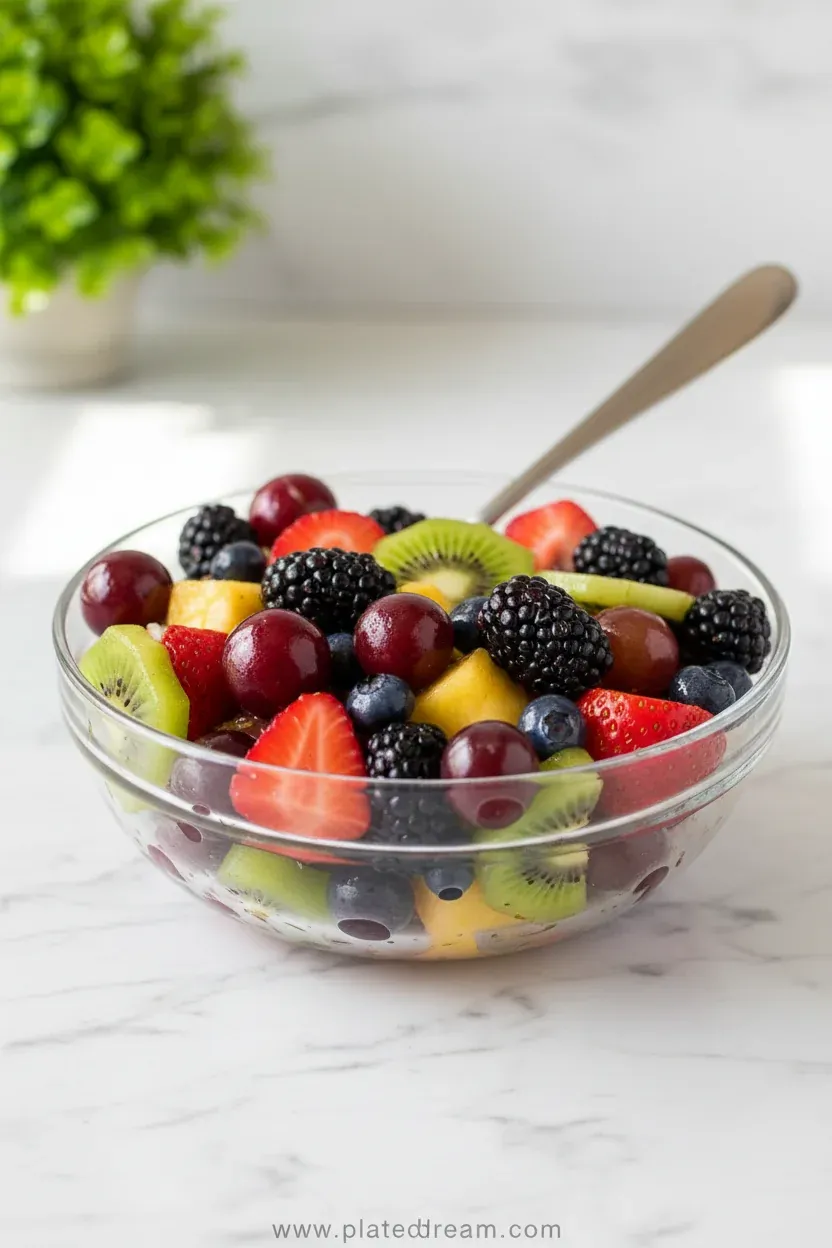
Table of contents
Honestly, when I was a kid I’d sneak a handful of berries from the garden and toss them with a splash of lemon. Nowadays I add honey and lime – just enough sweet and tangy to make the colors sing. If you’re looking for a simple, refreshing treat, you’ve come to the right place. Check out my winter fruit for a cozier twist.
The essence of the dish
It’s a celebration of nature’s sweetness, with each fruit piece offering its own texture, while the honey‑lime glaze unifies them in a gentle, fragrant hug.
A fun fact or historical angle
In the 1800s, travelers on long sea voyages would preserve fruit in sugar syrup; later, citrus was added to cut the cloying sweetness.
Flavor or sensory focus
You’ll notice the bright pop of lime first, followed by the mellow honey, and finally the juicy snap of fresh fruit.
You Must Know
- Use ripe but firm fruit
- Add dressing right before serving
- Adjust sweetness to taste
Ugh, I once left the salad draped in dressing for too long and it turned mushy – lesson learned! A quick toss right before plating preserves that wonderful bite. And remember, a pinch of sea salt can make the sweet flavors sing louder. Yeah, those tiny details make all the difference.
The story behind it
Fruit salads have been enjoyed since ancient times, when travelers would combine seasonal harvests to create portable nutrition. The practice spread across continents, each culture adding its own sweet or acidic touch. This modern version draws on that heritage, marrying the bright acidity of lime with the lingering warmth of honey, a pairing that has been cherished in tropical kitchens for centuries.
Why You'll Love It
- No cooking required, just assemble and enjoy
- Bright flavors that wake up the palate
- Flexible – use any fresh fruit you have on hand
- Healthy sweetener keeps it light
Tips for success
- Don’t over‑mix; gently toss to keep fruit intact.
- Add dressing right before you sit down to eat.
- Use fresh lime for the brightest flavor.
Professional secrets
- A pinch of sea salt amplifies sweetness.
- Zesting the lime before juicing captures aromatic oils.
- Chill the fruit before assembling for extra snap.
Common mistakes to avoid
- Over‑mixing the fruit, which makes it mushy.
- Leaving the salad dressed too long, causing sogginess.
- Using bottled lime juice that lacks bright aromatics.
Substitutions
- Honey: Maple syrup. Provides similar sweetness with a deeper flavor; use slightly less as it’s thinner.
- Lime juice: Lemon juice. Will be a bit more tart; adjust honey to balance.
Variations
- Spicy Version: Add a pinch of cayenne pepper or a drizzle of sriracha for a subtle kick.
- Mediterranean Style: Include pomegranate seeds, sliced figs, and a sprinkle of feta for savory contrast.
Storage
Store fruit and dressing separately in airtight containers in the refrigerator; combine just before eating.
Make ahead
You can prep the fruit and store it in a sealed container for up to 4 hours; keep the dressing separate until serving.
Leftovers
Refresh with a splash of fresh lime juice and a quick toss before enjoying again.
Serving ideas
- Serve in a clear glass bowl to display the colorful fruit.
- Pair with a light herbal tea for a relaxing afternoon.
- Add a dollop of coconut whipped cream for extra indulgence.
- Garnish with a few mint leaves for a fresh aroma.
Allergy information
Contains honey; substitute with maple syrup for a bee‑free version.
Fruit Salad with Honey Lime Dressing – Fresh & Easy
Fresh fruit tossed in a honey‑lime glaze; easy, healthy, and delightful.
- Prep time
- 10 min
- Total time
- 10 min
- Difficulty
- Easy
- Cuisine
- American
- Course
- Dessert
Ingredients
Fruit Mix
Honey Lime Dressing
Instructions
- 1
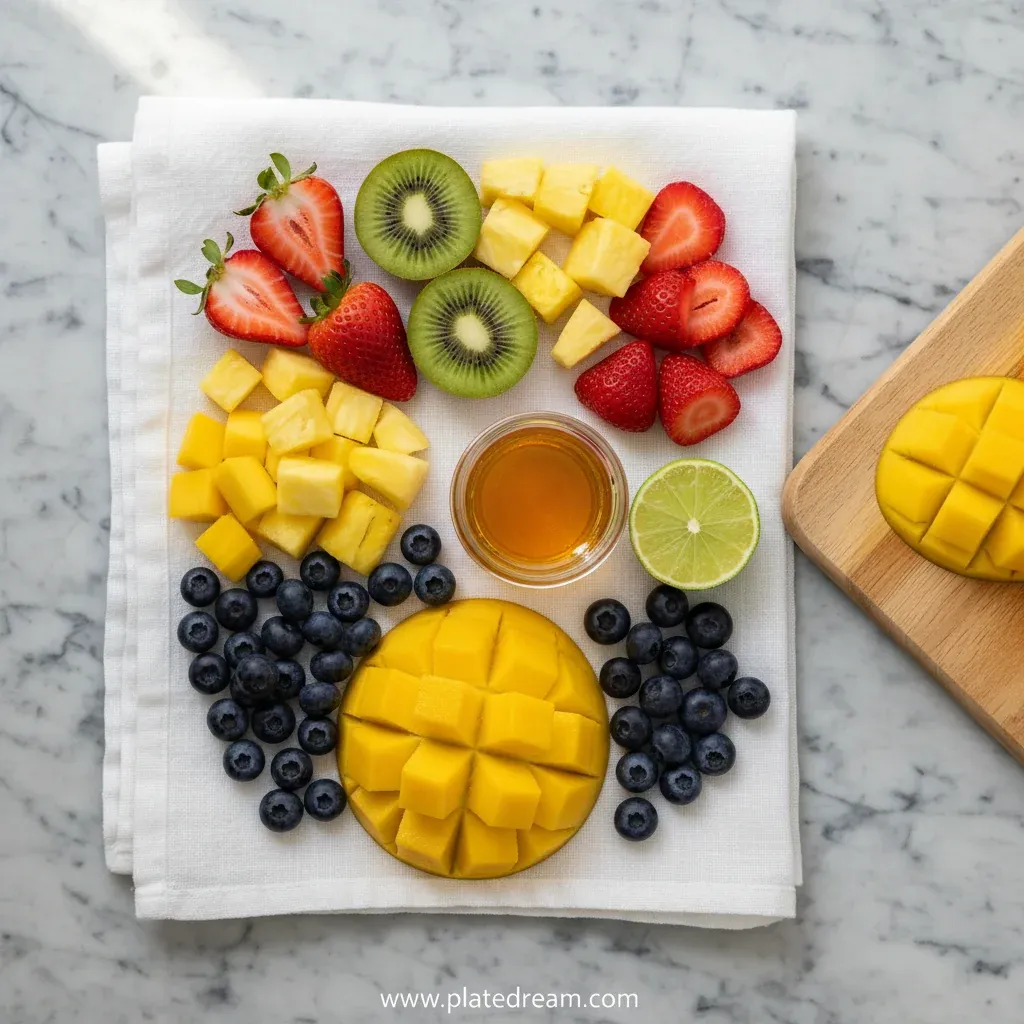
Wash all fruit gently, pat dry, and cut into bite‑size pieces; keep the orange segments separate to preserve their juices.
- 2
In a small bowl, whisk together honey, lime juice, zest, and sea salt until smooth; stir in mint if using.
- 3
Place the prepared fruit in a large serving bowl, drizzle the honey‑lime dressing over the top, and toss lightly to coat every piece without bruising.
- 4
Serve immediately, perhaps with a sprinkle of toasted nuts or an extra drizzle of honey for shine.
- 5
If you have guests, you can point them to my best fruit collection for more inspiration.
- 6
For a playful spin, check out the better than sex version that adds a splash of passion fruit.
Nutrition per serving
- 180 kcal
- Calories
- 3 g
- Protein
- 45 g
- Carbs
- 2 g
- Fat
Tips & notes
- Taste the dressing before adding; a little extra lime can brighten the mix. - If making ahead, keep dressing separate and combine just before serving. - Use a glass bowl to showcase the vibrant colors.
Frequently asked questions
Can I use canned fruit?
Canned fruit adds extra syrup and can become soggy; fresh fruit is best for texture.
What if I don’t have honey?
Maple syrup or agave works, but it will change the flavor profile slightly.
How long can I store the salad?
Best served within 2 hours; keep dressing separate if you need longer.
Is this recipe vegan?
Yes, as long as you use plant‑based honey alternatives.
Can I add protein?
A scoop of Greek yogurt or a handful of toasted almonds adds protein and extra texture.
What fruits pair best together?
Mix berries, kiwi, mango, and citrus segments for contrast of sweetness and tartness.