Spicy Shrimp Sushi Stacks – Easy Dinner
A quick, healthy dish of spicy shrimp layered with rice and nori – perfect for a satisfying dinner.
- Sofia Bennett
- Easy Dinner Recipes
- March 22, 2026
- 3 min read
- Updated November 20, 2026
- Total time
- 30 min
- Servings
- 4 Servings
- Difficulty:
- Easy
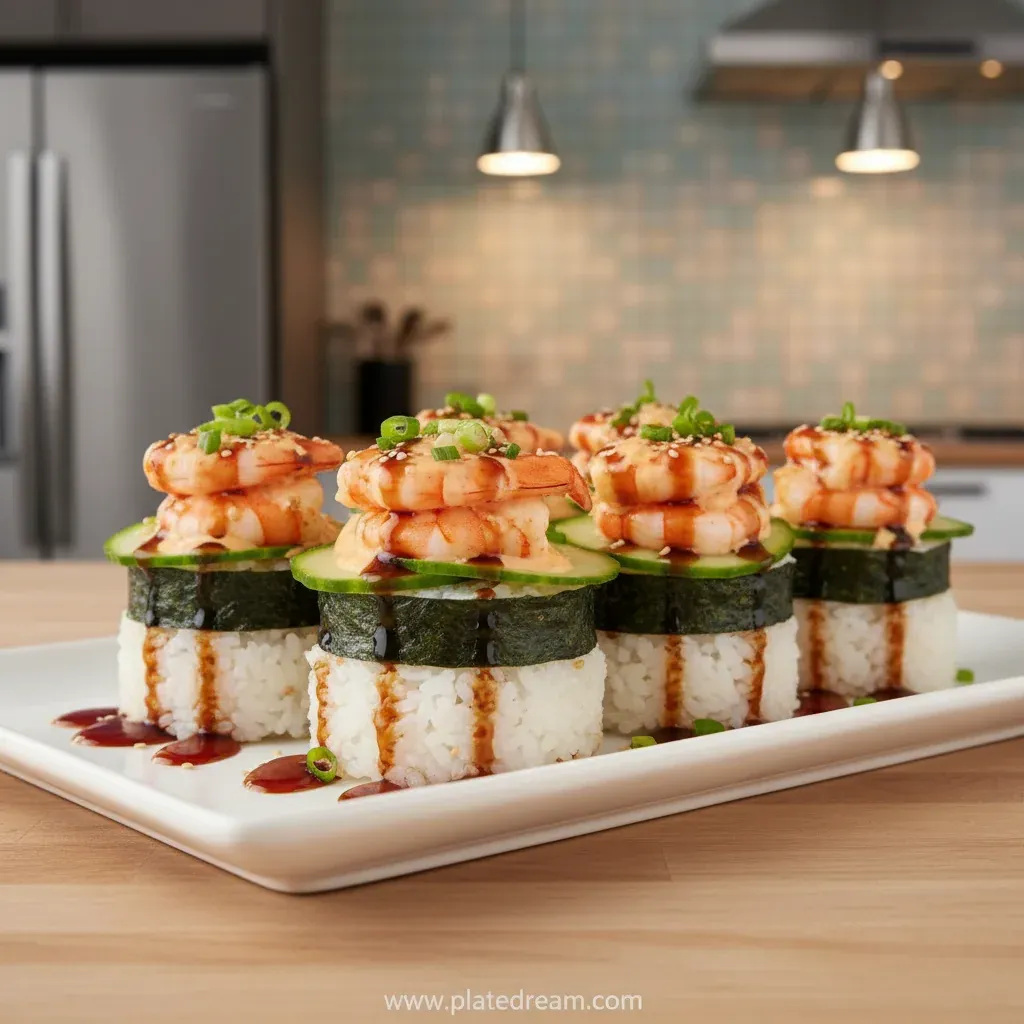
Table of contents
Honestly, if you’re looking for a dinner that feels special without the fuss, these Spicy Shrimp Sushi Stacks are just the thing. I remember the first time I tried a sushi‑roll that wasn’t a roll – the idea of stacking the ingredients came to me while I was chopping cucumber for a salad. The result? A bright, layered bite that’s as fun to eat as it is tasty. If you loved spicy shrimp last summer, you’ll love how the heat pairs with the cool avocado and the subtle sweetness of the rice.
The essence of the dish
What makes these stacks special is the contrast: warm, spicy shrimp against cool, creamy avocado, all perched on a bed of subtly sweet rice, wrapped in salty, crunchy nori. The sauce adds a silky heat that ties everything together.
A fun fact or historical angle
Did you know that the modern concept of “de‑constructed sushi” first appeared in Tokyo’s avant‑garde restaurants in the early 2000s? Chefs wanted to highlight each element’s texture without the roll’s pressure.
Flavor or sensory focus
Your palate will first meet a gentle snap of nori, then the tender heat of shrimp, followed by the mellow cream of avocado, and finally a whisper of citrus from lime.
You Must Know
- Use short‑grain sushi rice for best stickiness
- Don’t overcook shrimp – keep them pink and firm
- Serve immediately to preserve nori crunch
Ugh, I’ve seen people let the stacks sit too long and the nori gets soggy – it’s a tiny detail that makes a big difference. Also, a quick squeeze of fresh lime right before plating lifts the whole dish. So, keep those ingredients fresh, and enjoy each bite while it’s at its peak.
The story behind it
Sushi, originally a method of preserving fish in fermented rice, evolved in Japan’s Edo period into the handheld delights we know today. The modern, de‑constructed version reflects a contemporary twist, allowing home cooks to enjoy the essential flavors without a bamboo mat. This approach respects tradition while embracing convenience, making the dish both nostalgic and new.
Why You'll Love It
- Minimal prep, maximum flavor
- No rolling required, just layer and serve
- Bright colors make the plate look inviting
- Healthy protein from shrimp and veggies
Tips for success
- Don't overcook the shrimp – it turns rubbery quickly.
- Pat the rice dry with a paper towel if it feels too wet.
- Serve immediately; the nori loses its snap after a few minutes.
Professional secrets
- Season the rice while it’s still steaming – the steam helps the vinegar penetrate.
- Sear shrimp just until pink; over‑cooking loses the delicate sweetness.
- Use a shallow press to keep the rice layer thin and even.
Common mistakes to avoid
- Overcooking shrimp – they become rubbery and lose sweetness.
- Layering too much rice – makes the stack heavy and soggy.
- Adding sauce too early – softens the nori.
Substitutions
- Shrimp: Firm tofu or tempeh. Press tofu first, then marinate in the same sriracha‑lime mix.
- Soy sauce: Coconut aminos. Milder sweetness, so reduce honey in the sauce.
Variations
- Spicy Version: Add a pinch of red pepper flakes to the sauce and a drizzle of sriracha on top.
- Mediterranean Style: Swap avocado for feta crumbles, add olives, and use a lemon‑herb mayo.
Storage
Store cooked shrimp and sliced veggies separately in airtight containers; assemble stacks just before eating.
Make ahead
You can cook the rice and sear the shrimp up to 12 hours ahead; store in the fridge and assemble the stacks just before serving.
Leftovers
Reassemble any leftovers in a bowl as a deconstructed sushi salad, adding a bit more sauce.
Serving ideas
- Serve on a bamboo board with a side of soy‑tamari for dipping.
- Pair with a light cucumber and carrot ribbon salad.
- Garnish with toasted sesame seeds and a few sprigs of cilantro.
Allergy information
Contains shellfish, soy (tamari), and sesame.
Spicy Shrimp Sushi Stacks – Easy Dinner
A quick, healthy dish of spicy shrimp layered with rice and nori – perfect for a satisfying dinner.
- Prep time
- 20 min
- Cook time
- 10 min
- Total time
- 30 min
- Difficulty
- Easy
- Cuisine
- Japanese‑American Fusion
Ingredients
Main Components
Sauce
Instructions
- 1
Rinse the sushi‑rice under cold water until the water runs clear; combine with water in a pot, bring to a boil, then cover and simmer 12 minutes.
- 2
While the rice cooks, whisk together rice vinegar, sugar, and salt; stir into the hot rice, then spread the rice on a tray to cool.
- 3
In a bowl, toss the shrimp with sriracha and lime juice; heat a skillet over medium‑high, sear shrimp 1‑2 minutes per side until pink and fragrant.
- 4
Mix the sauce ingredients until smooth; set aside.
- 5
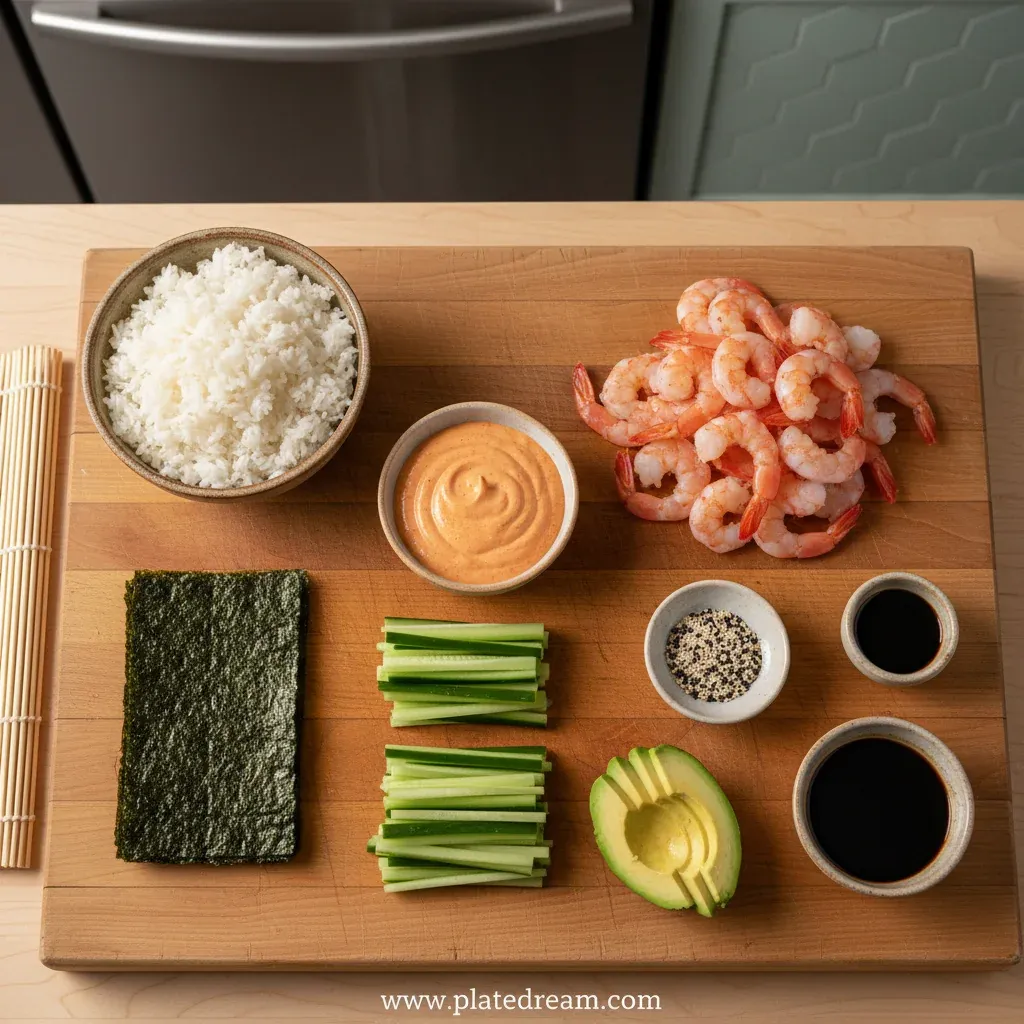
To assemble, place a nori square on a plate, spread a thin layer of rice, add a slice of avocado, a few cucumber ribbons, a couple of shrimp, and drizzle with sauce. Repeat to build a second layer, finish with sesame seeds and micro‑greens.
Nutrition per serving
- 320 kcal
- Calories
- 18 g
- Protein
- 38 g
- Carbs
- 11 g
- Fat
Tips & notes
- Keep the sauce on the side until the final moment to maintain nori crunch. - If you prefer less heat, reduce sriracha to half a teaspoon. - For extra flavor, sprinkle a pinch of furikake over the rice before layering.
Frequently asked questions
Can I use cooked shrimp instead of raw?
Yes, pre‑cooked shrimp works fine; just toss it with the sauce and warm gently so it absorbs the flavor.
What rice substitute works best?
Short‑grain brown rice can be used for a nuttier texture, but rinse thoroughly and adjust the seasoning slightly.
How do I keep the nori from getting soggy?
Assemble the stacks just before serving and keep the sauce on the side until the last minute.
Can I make this vegan?
Swap shrimp for marinated king‑oyster mushrooms and use a plant‑based mayo for the same creamy heat.
Is there a gluten‑free option?
Absolutely – ensure the soy sauce you use is tamari, which is gluten‑free.
What side dish pairs well?
A light cucumber salad offers crisp freshness and balances the spice.