Lemon Crinkle Cookies Recipe
A tender, buttery cookie with a sugary lemon dust, perfect for cozy afternoons and tea time.
- Isabella Martin
- Desserts & Sweet Treats
- March 2, 2026
- 3 min read
- Updated November 20, 2026
- Total time
- 32 min
- Servings
- 24 Servings
- Difficulty:
- Easy
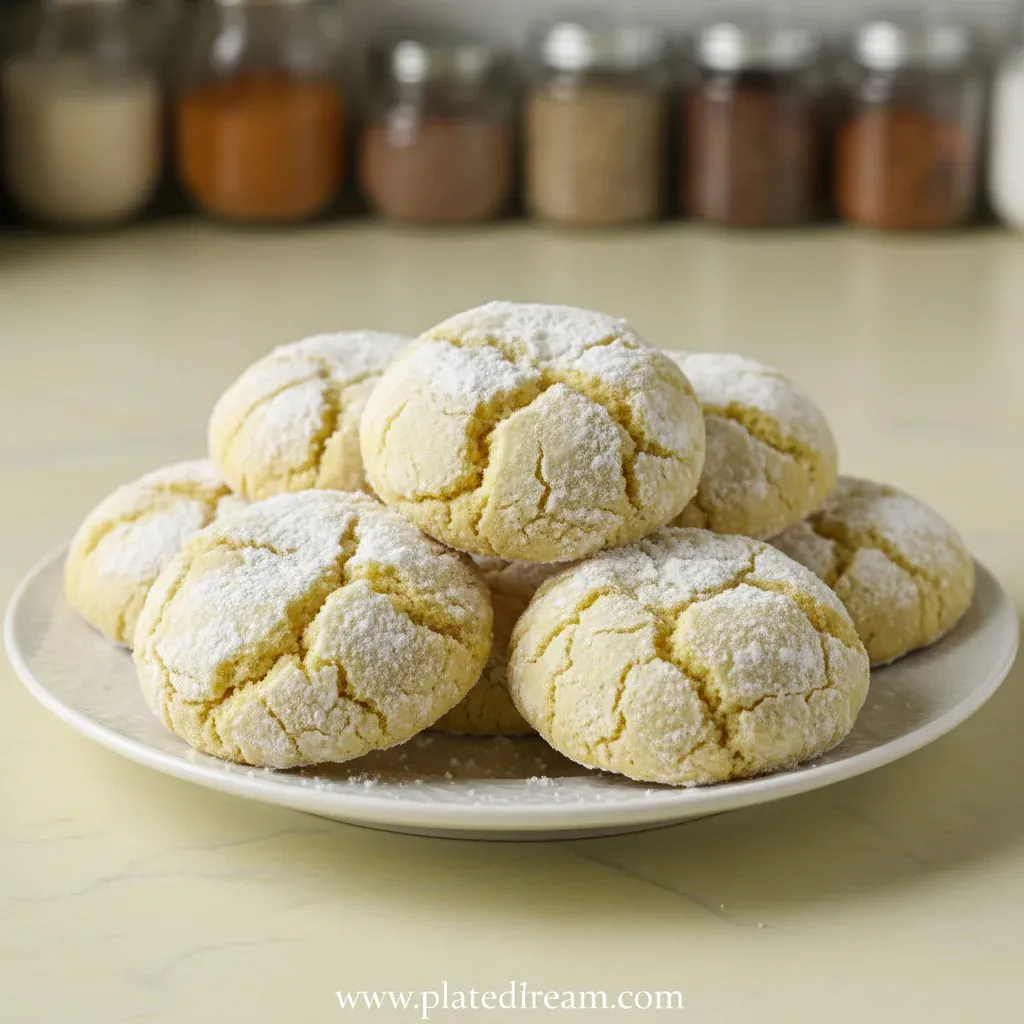
Table of contents
Honestly, when I first tried a lemon crinkle, the scent of fresh zest filled the kitchen like a quiet sunrise. I remember the subtle crackle of sugar as it settled, and the way the buttery dough stayed soft. If you love a sweet treat that whispers of sunshine, this is it. Sweet treats are meant to be simple, comforting, and a little bit nostalgic.
The essence of the dish
It’s the gentle lemon perfume, the buttery crumb, and that soft sugary coating that makes each bite feel like a little sunbeam.
A fun fact or historical angle
During the 1920s, lemon‑flavored cookies were marketed as a way to bring “freshness” to the home, a nod to the era’s fascination with citrus as a healthful ingredient.
Flavor or sensory focus
First you notice the bright citrus zest, then the melt‑in‑your‑mouth softness, and finally the sweet powder that melts like a whisper.
You Must Know
- Do not over‑mix the dough
- Chill for shape retention
- Use fresh lemon zest
Well, once I tried using dried zest, the flavor fell flat—yeah, that was a lesson. Fresh zest gives that lively perfume that makes the whole cookie sing. And remember, a brief chill keeps the dough from spreading too much, preserving that perfect crinkle.
The story behind it
Lemon crinkle cookies trace their roots to early 20th‑century American bake‑shops, where bakers experimented with powdered sugar and citrus zest to create a cookie that could stand out among plain butter varieties. The bright lemon flavor was a welcome contrast to the richer chocolate offerings of the era, providing a light, refreshing bite that quickly became a staple at family gatherings and holiday tables. Their enduring popularity reflects a timeless appeal: a tender crumb, a sweet coating, and a scent that evokes sunshine in every season.
Why You'll Love It
- Soft, buttery texture that stays tender
- Bright lemon flavor without being overpowering
- Simple ingredients you likely already have
- Gorgeous dusted finish that looks as good as it tastes
Tips for success
- Don't overmix the dough, keep it tender ...
- Let the dough chill, prevents spreading ...
- Roll in powdered sugar just before baking ...

Professional secrets
- Room temperature butter, ensures even creaming
- Bake on parchment, promotes even rise
- Use fresh citrus zest, captures bright aroma
Common mistakes to avoid
- Over‑mixing the flour, leading to tough cookies
- Skipping the chill step, causing spreading
- Using dried zest, which reduces aroma
Substitutions
- All‑purpose flour: Whole wheat flour. Will add a nuttier flavor; may make cookies slightly denser
- Granulated sugar: Coconut sugar. Provides a caramel note; reduce by 1 tbsp to avoid excess moisture
Variations
- Spicy Version: Add a pinch of lemon‑friendly cayenne and a drizzle of honey for a gentle heat.
- Mediterranean Style: Mix in finely chopped pistachios and a hint of orange zest for a sun‑kissed twist.
Storage
Store in an airtight container at room temperature for up to 5 days; you can also freeze for up to 2 months.
Make ahead
You can chill the rolled dough balls for up to 24 hours; they’ll stay fresh and ready to bake whenever you crave a sweet citrus treat.
Leftovers
Reheat gently in a 300°F oven for 5 minutes or microwave for 10 seconds to revive the softness.
Serving ideas
- Stack on a vintage plate with a dusting of extra powdered sugar
- Serve alongside a dollop of whipped cream infused with lemon
- Pair with a slice of lemon shortbread for a citrus duo
Allergy information
Contains wheat, eggs, and dairy.
Lemon Crinkle Cookies Recipe
A tender, buttery cookie with a sugary lemon dust, perfect for cozy afternoons and tea time.
- Prep time
- 20 min
- Cook time
- 12 min
- Total time
- 32 min
- Difficulty
- Easy
- Cuisine
- American
- Course
- Dessert
Ingredients
Main Ingredients
For the Coating
Instructions
- 1
Preheat the oven to 350°F (175°C) and line two baking sheets with parchment paper.
- 2
In a large bowl, cream together the softened butter and granulated sugar until light and fluffy, about 2‑3 minutes.
- 3
Add the eggs one at a time, mixing well after each, then stir in the lemon zest, lemon juice, and vanilla extract.
- 4
In a separate bowl, whisk the flour, baking powder, and salt; gradually add to the butter mixture, stirring just until combined.
- 5
Cover the dough and chill for 15 minutes; this makes it easier to shape.
- 6
Mix powdered sugar with the extra lemon zest for the coating.
- 7
Scoop rounded tablespoons of dough, roll into balls, then roll each ball in the lemon‑sugar coating, placing them on the prepared sheets.
- 8
Bake for 10‑12 minutes, until the edges are set and the tops are lightly golden. Let cool on the sheet for 2 minutes before transferring to a wire rack.
Nutrition per serving
- 210 kcal
- Calories
- 2 g
- Protein
- 30 g
- Carbs
- 9 g
- Fat
Tips & notes
- Do not over‑bake; the cookies should stay soft inside. - If you prefer a stronger lemon punch, add another teaspoon of zest to the coating. - For a festive twist, sprinkle a pinch of colored sugar before baking.
Frequently asked questions
Can I use pre‑grated lemon zest?
Fresh zest is best; pre‑grated can be bitter and less aromatic.
How do I keep the cookies soft?
Store them in an airtight container with a slice of bread; the moisture helps maintain tenderness.
Can I freeze the dough?
Yes, shape the balls, freeze on a tray, then transfer to a bag; bake from frozen adding a minute or two.
What if I don’t have powdered sugar?
You can blend granulated sugar in a blender until fine, though the texture will be slightly coarser.
Are these cookies gluten‑free?
Swap the all‑purpose flour for a 1‑to‑1 gluten‑free blend; the texture remains tender.
Can I add other flavors?
A hint of orange zest or a dash of almond extract works nicely, but keep the lemon front and center.