Old Fashioned German Fruit Cake
Moist old‑fashioned German fruit cake loaded with candied fruits, nuts, and warm spices.
- Isabella Martin
- Desserts & Sweet Treats
- March 15, 2026
- 2 min read
- Updated November 20, 2026
- Total time
- 1 h 30 min
- Servings
- 8 Servings
- Difficulty:
- Easy
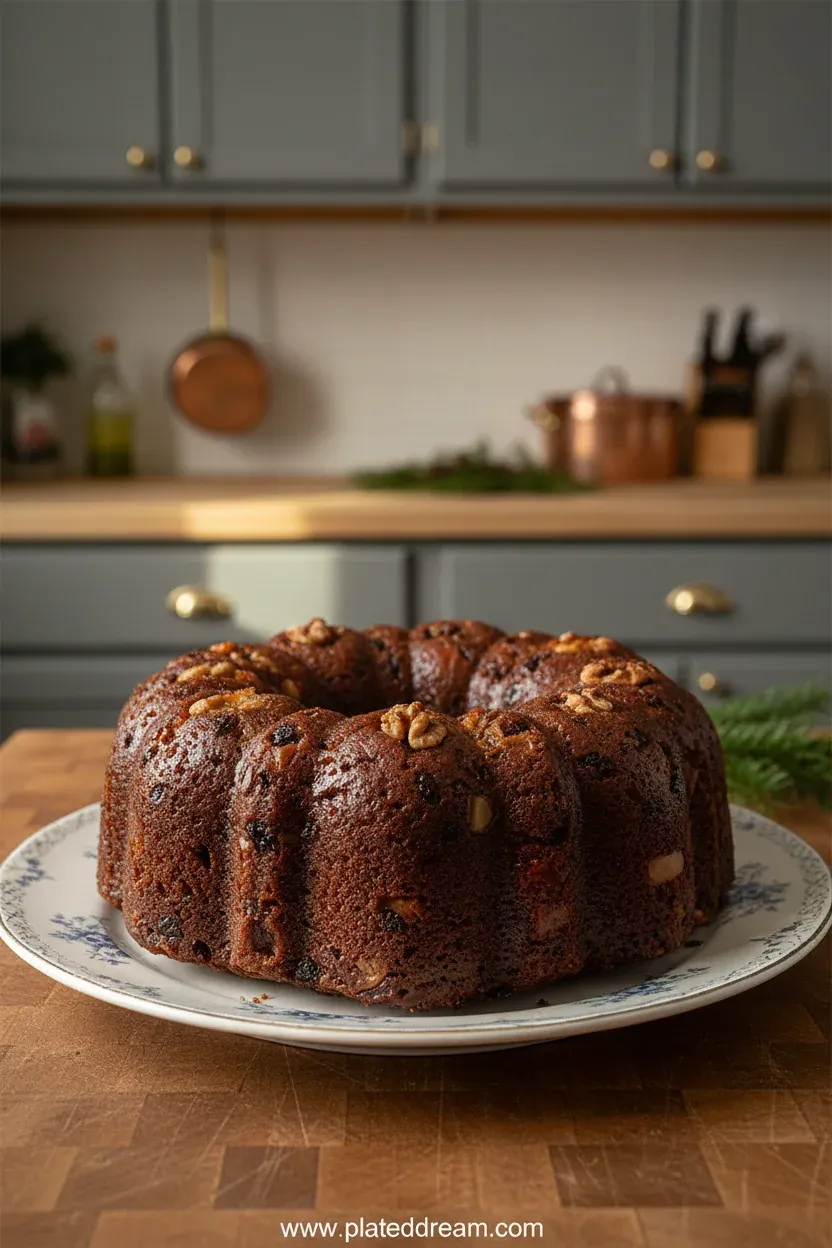
Table of contents
Honestly, I remember the first time I baked this cake for a family birthday. The kitchen filled with the scent of clove and orange peel, and the batter felt buttery and thick. It was a never fail comfort that still brings a smile.
The essence of the dish
It’s a dense, yet airy loaf that balances sweet candied fruit with the earthy warmth of spices, creating a comforting bite that feels both nostalgic and fresh.
A fun fact or historical angle
German fruit cakes were originally a way to preserve fruit for winter months; the heavy batter acted as a natural preservative.
Flavor or sensory focus
Expect a fragrant blend of cinnamon and orange, a tender crumb that melts on the tongue, and a pleasant chew from the raisins and almonds.
You Must Know
- Do not over‑mix the batter
- Cool the cake completely before slicing
- Store in an airtight container for up to a week
Honestly, these little details keep the cake from becoming dry. When you let it sit, the flavors actually deepen, and the texture stays moist. So, take your time, and savor each step as if you were strolling through a quiet kitchen garden.
The story behind it
From the bustling markets of Frankfurt to cozy village kitchens, this fruit cake has traveled generations. Historically, bakers enriched bread with dried fruits to extend shelf life during long winters, creating a sweet, dense loaf that doubled as a celebratory centerpiece. The recipe reflects centuries of preservation technique, marrying spices with candied peel for a balanced, enduring flavor.
Why You'll Love It
- Moist texture that stays soft for days
- Bursting flavor from candied fruits and spices
- Simple steps, no fancy equipment needed
- Classic German tradition in your own kitchen
Tips for success
- Do not over‑mix the batter; it can lead to a dense crumb
- Let the cake rest covered; this keeps it moist
- Toast nuts lightly for deeper flavor
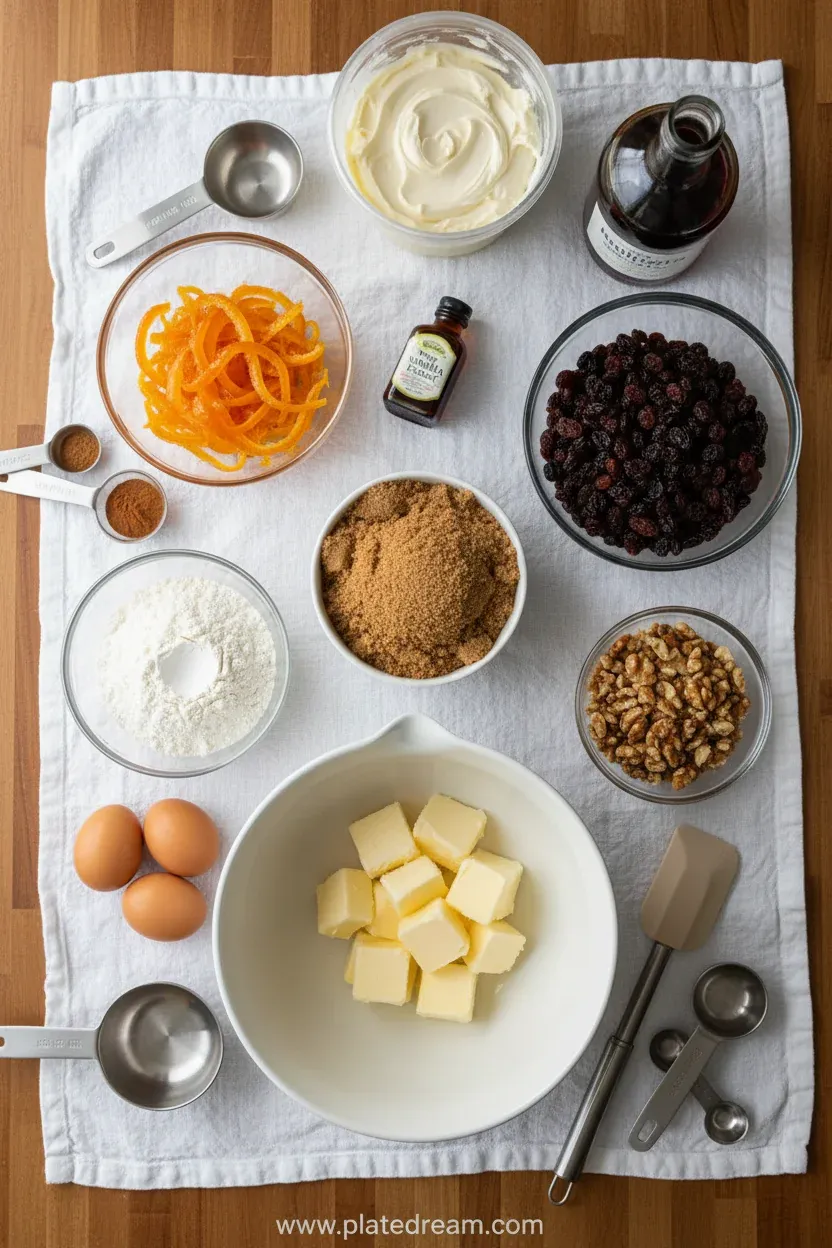
Professional secrets
- Room temperature butter ensures even creaming
- Low oven temperature preserves moisture while allowing gentle rise
- Glazing with apricot jam adds shine and a subtle sweetness
Common mistakes to avoid
- Over‑mixing the batter, which creates a tough crumb
- Skipping the fruit soak, leading to dry texture
- Baking at too high a temperature, causing a dry top
Substitutions
- All‑purpose flour: Whole‑wheat flour. Provides a nuttier flavor; may make the cake slightly denser.
- Dark brown sugar: Coconut sugar. Adds a gentle caramel note while reducing refined sugar.
Variations
- Spicy Version: Add 1/2 tsp ground ginger and a pinch of cayenne for a subtle heat.
- Mediterranean Style: Incorporate crumbled feta, Kalamata olives, and sun‑dried tomatoes for a savory twist.
Storage
Store in an airtight container at room temperature for up to a week; reheating a slice in the microwave for 10 seconds revives softness.
Make ahead
You can soak the dried fruits in orange juice and wrap the batter in plastic overnight; bake the next morning for a deeper flavor.
Leftovers
Reheat gently in a skillet over low heat, or enjoy cold with a spread of butter.
Serving ideas
- Serve a generous slice with a dollop of whipped cream
- Pair with a warm mug of chamomile tea
- Garnish with extra toasted almond slivers
Allergy information
Contains nuts (almonds), dairy (butter), and eggs.
Old Fashioned German Fruit Cake
Moist old‑fashioned German fruit cake loaded with candied fruits, nuts, and warm spices.
- Prep time
- 30 min
- Cook time
- 1 h
- Total time
- 1 h 30 min
- Difficulty
- Easy
- Cuisine
- German
Ingredients
Main Ingredients
For the Glaze
Instructions
- 1
Preheat the oven to 325°F (160°C). Grease a 9‑x‑5‑inch loaf pan and line with parchment.
- 2
In a small bowl, soak raisins, cherries, and candied peel in orange juice for 10 minutes, then drain.
- 3
Cream the softened butter with brown sugar until light and fluffy; beat in eggs one at a time.
- 4
Sift flour, baking powder, salt, and spices together; fold into the butter mixture gently.
- 5
Stir in the soaked fruits, toasted almonds, and orange zest until just combined; pour batter into the prepared pan.
- 6
Bake for 55‑60 minutes, or until a toothpick inserted near the center comes out clean. Cool in the pan for 15 minutes.
- 7
Mix apricot jam with orange juice, brush the warm glaze over the cake, and let it cool completely on a rack.
Nutrition per serving
- 420 kcal
- Calories
- 6 g
- Protein
- 62 g
- Carbs
- 18 g
- Fat
Tips & notes
- For extra moisture, brush the cake with a thin layer of apple juice after the first 30 minutes of baking. - A slice served with a dollop of ice cream makes a delightful contrast. - If you prefer a brighter flavor, add a dash of moist fruitcake syrup just before serving.
Frequently asked questions
Can I use fresh fruits instead of candied?
Fresh fruits add moisture but lack the concentrated sweetness of candied peel; you can substitute half the amount and add a bit more sugar.
How long does the cake stay fresh?
Wrapped tightly, it stays soft for 5‑7 days at room temperature; it even improves after a couple of days.
Is it gluten‑free?
Swap the all‑purpose flour for a 1‑to‑1 gluten‑free blend; the texture remains comparable.
Can I freeze the cake?
Yes, freeze slices wrapped in parchment and then a freezer bag; thaw at room temperature before serving.
What if I don’t have orange zest?
Lemon zest works as a substitute, though it will shift the citrus profile slightly.
Do I need a special pan?
A standard loaf pan works fine; just line it with parchment for easy release.